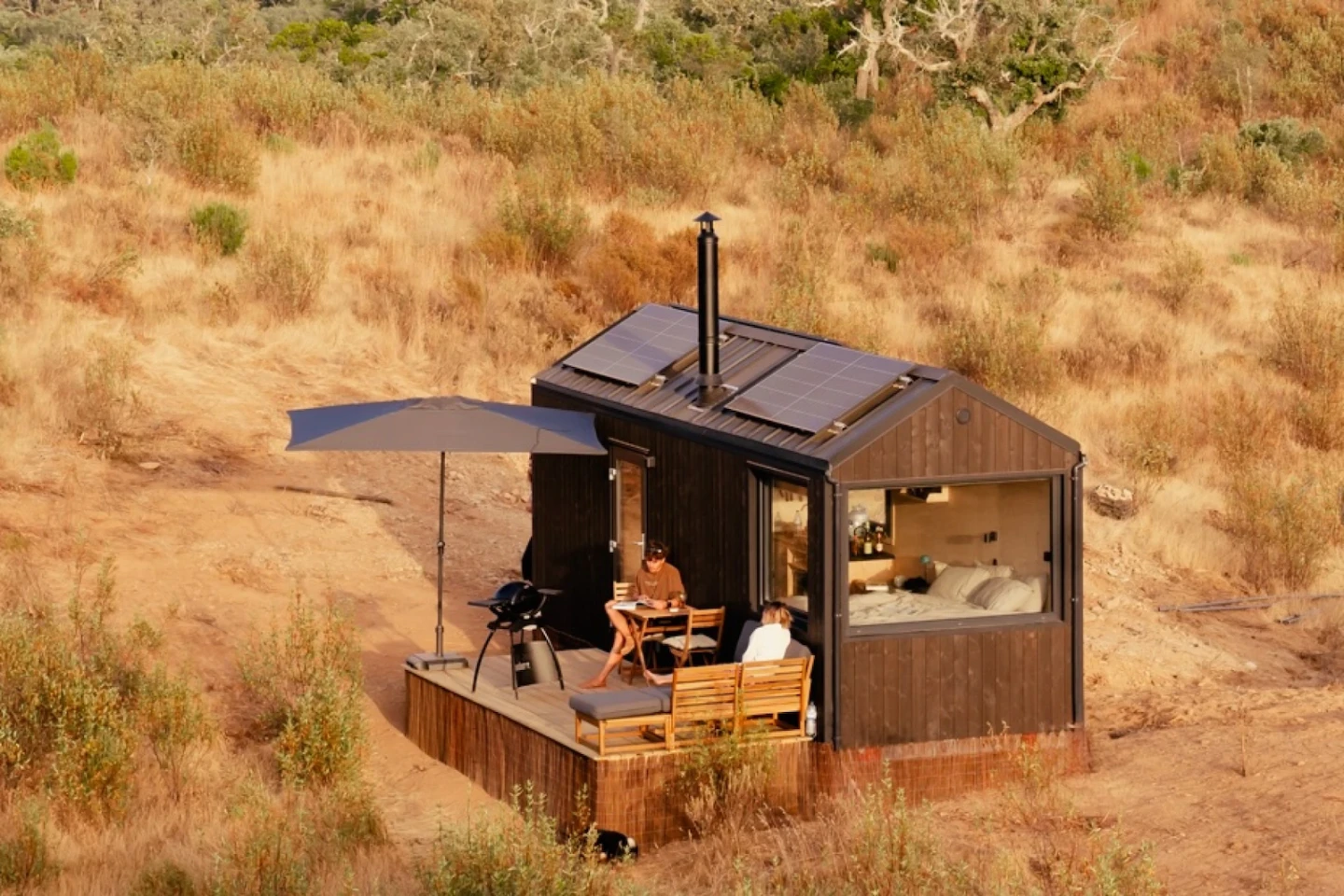
The off-grid tiny house is a beautiful lie, and we mean that as a compliment. It promises that you can unplug, roam, and answer to no one but yourself, which is the most seductive marketing copy ever written for a structure that still technically needs a place to park. But the real genius of these ten homes isn't the solar panels or the composting toilets; it's the way they force a kind of brutal honesty about what you actually need. Strip away the grid, and you're left with the bare arithmetic of living, which is exactly the kind of detail Spoot loves to find in the fine print.
We've seen this dance before with the Six meters of floor plan, zero stairs, one very sane tiny home, where the constraint isn't just the square footage but the discipline of the layout. It's a similar muscle that these off-grid models flex, but they add a different variable: the weather. You can't just build a clever box and call it a day; you have to factor in battery banks, water catchment, and the grim math of how many cloudy days you can survive before the lights go out. That's not a design problem, it's a lifestyle audit. And while the Blackjaw multitool might seem like a strange companion to this conversation, it actually nails the same philosophy: skip the gimmicks, trust your core kit, and make sure the essentials work when you're in a pinch. A house that answers to no one is only as good as its willingness to fail on a Tuesday night in the middle of nowhere.
The practical takeaway here isn't about the wood cladding or the clever loft ladders, though those are fun to gawk at. It's about the cost of admission, and we don't just mean the price tag. The article is upfront about the concept, but the real question is about the gap between the render and the road. You can build a tiny home that roams, but you can't build one that escapes the need for a reliable water pump. So, when you're scrolling through these ten, pay attention to the specs that aren't in the headline: the size of the freshwater tank, the rated output of the solar inverter, and whether the "off-grid" claim means "works for a weekend" or "supports a full season." That's the difference between a clever weekend cabin and a genuine home, and it's the detail that will make you either a very happy hermit or a very frustrated owner trying to find a level patch of land that isn't technically a floodplain.
So, yes, we're charmed by the fantasy of a house that burrows into the landscape and squirts water at the nearest utility bill. But the concrete point to watch is the battery chemistry. Not the watt-hours, but the cycle life. Because a house that answers to no one still has to answer to the sun, and if that battery dies after three years, you're not off-grid, you're just camping with a mortgage. That's the razor clam in this spec sheet, and it's the thing we'll be watching to see if these ten homes are actually built to last or just built to be photographed.