design
design on Spoot: Spotted Early: a running collection of 8 stories we have gathered and hand-picked because they are worth your time. Every post here touches on design in some way — the news, the analysis, the deep dives, and the occasional surprise find. # Spoot: Spotted Early New things, caught while they're still new and a little weird. Spoot finds fresh gadgets, clever inventions, crowdfunding campaigns, concept designs, tiny… New stories are added to this page as we find them, so check back if you want to keep up with what is happening around design, or subscribe to the RSS feed to get them as soon as they are published. Browse the collection below, or head back to the homepage to see everything Spoot: Spotted Early is covering right now.

Apple's own code just whispered three new gadgets before the year ends
Apple's code just whispered three new gadgets before the year ends, and honestly, that's the kind of gossip we live for. MacRumors contributor Aaron Perris dug up images and details pointing to a refreshed HomePod mini, an iPad mini 8, and an Apple TV 4K, all expected after this month's iPhone 18 Pro and folding iPhone Duo debut. The HomePod mini 2 reportedly keeps the original's shape from late 2020, which is fine, but I'm side-eyeing the color situation. The current model pops in orange, yellow, and blue; if the leak's images suggest a muted palette, that's a quiet downgrade for a speaker that made brightness its personality. We'll see what ships.

We got our hands on Dyson's camera-toting toothbrush, and we have thoughts
There's a toothbrush with a camera in it, and Dyson actually shipped it. The CameraJet exists, we held it, and the Dezeen team has feelings. Somewhere between a dental tool and a surveillance device, it raises the obvious question: does anyone need to film their own molars? Probably not. But Dyson rarely asks permission, and the sheer audacity of the thing is worth unpacking. Nat Barker, Jennifer Hahn, and Tom Ravenscroft dig into the launch, the hype, and whether the tech justifies the bristles. They also tour a north London building trying to revive stone architecture, which feels like the opposite of a gadget that beeps at your gums. For more clever folding solutions, our piece on a tiny home that hides a mattress where the tent used to be pairs nicely. Stay spooty.

Wooden towers, robotic hands, and a tattoo that means something
There's a moment in the latest Dezeen Weekly where the conversation pivots from timber towers to a tattoo, and honestly, that's the kind of whiplash we live for. Tom Ravenscroft and Nat Barker dig into whether building tall with wood is genuine innovation or just a very tall gimmick, and they land somewhere delightfully complicated. Then there's a robotic hand that feels less like a prototype and more like a prop from a film that hasn't been made yet. It's the kind of leap that makes sci-fi feel impatient. And yes, the editor's new ink has a story worth circling back for. If you're hungry for more pocket-sized ingenuity, our roundup of phones with robot arms scratches that itch nicely. Stay spooty.

Kylie Jenner's side-eye might be the only honest review of Meta's new glasses
Meta's new smart glasses walked into Paris Fashion Week with Kylie Jenner's side-eye as their only honest reviewer. That's the energy this episode of Dezeen Weekly runs on. Design editor Jennifer Hahn and architecture reporter Amy Peacock sit down to ask the question nobody in the launch video dared to: would anyone actually wear these things? The side-eye says no. The speculative shrug says maybe, once the AI detox happens. Also on the table: Frank Gehry's Abu Dhabi opera house, which apparently deserves a second look, and a Paris Fashion Week that felt less like couture and more like decline. If you like your tech coverage with a gentle skepticism and a genuine delight in the weird, this one's for you.

Honor's new flagship packs a camera Arri helped shape and a battery that refuses to quit
Honor's Magic 9 Pro Max has a camera island that looks like it was machined from a 1937 Arriflex 35 turret, complete with knurled grip texture, and that alone made me sit up straighter. The battery is colossal, the mossy green finish is genuinely handsome, and Arri's influence runs deeper than aesthetics: you get LogC3 capture and 14 preset Look LUTs baked in. That's a serious tool for anyone who wants cinema color without the rig. It's also Honor's first flagship since the Arri deal went public, so the pressure was on. I'm gently skeptical about whether the software holds up, but the hardware is talking loud. For more gadget weirdness, our piece on Philips' new toothbrush tracking your brushing is a fun contrast. Stay spooty.

Phones with robot arms and keyboard cravings: five designs worth the pocket space
A phone with a literal robot arm. Not a concept render, not a crowdfunding fever dream, but a design someone actually put together and said, yes, this belongs in a pocket. That's the kind of specific weirdness we live for. This roundup gathers five handsets that put design first, from that mechanical appendage to a keyboard phone clearly built for people who type faster than they talk. It's a refreshing break from the endless glass slabs. The honest take? Some of these will feel like solutions looking for problems. Others might just make you question why every phone looks the same. If you're already circling back for the details, our piece on Dyson's camera-toting toothbrush suggests we're equally intrigued by tech that refuses to play it safe. Stay spooty.

The electric Ferrari got booed, but Jony Ive's fingerprints explain the real story
A crowd booed a Ferrari. That alone should tell you something strange is happening, because people do not usually boo Ferraris. They boo football referees and reality TV villains. But this was the unveiling of the marque's first all-electric car, designed by Jony Ive and Marc Newson, and the room in Rome let it have it. I love that. The launch video skipped the part where the faithful get restless. Ive's fingerprints explain the real story, and they are all over the reaction. This is a car that looks like a product, not a prancing horse. It is a fascinating collision of two design religions, and the worshippers are confused. If you want a palate cleanser, read our piece on six tiny EVs that dare to be small, sharp, and actually cool.
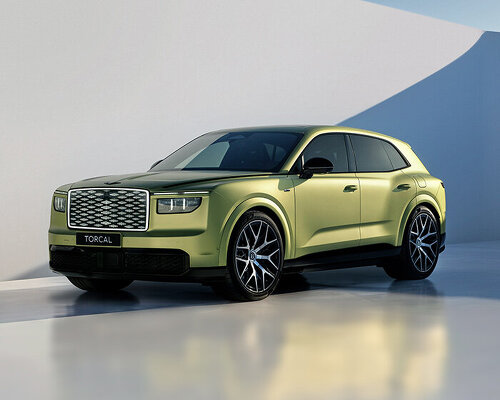
Bentley's first EV keeps the cabin, calls in musicians to fake the V8
Bentley's first EV keeps the cabin intact, then hands the engine note to a bunch of musicians who've been asked to fake a V8. That's the razor clam here. While every other electric car chases silence or synth whooshes, Bentley is wondering what a luxury car should sound like when there's no combustion to lean on. The answer, apparently, is a carefully composed performance. It's a clever pivot, and it fits the brand's long proportions and tactile cabin like a tailored glove. But here's the gently skeptical part: a recorded growl is still a recording. Does it feel like a Bentley when the pedal goes down? That's the question worth circling back to.